How to Choose the Right Interior Designer in Nairobi
Kloche Interiors · 10/6/2026 · Design Guides
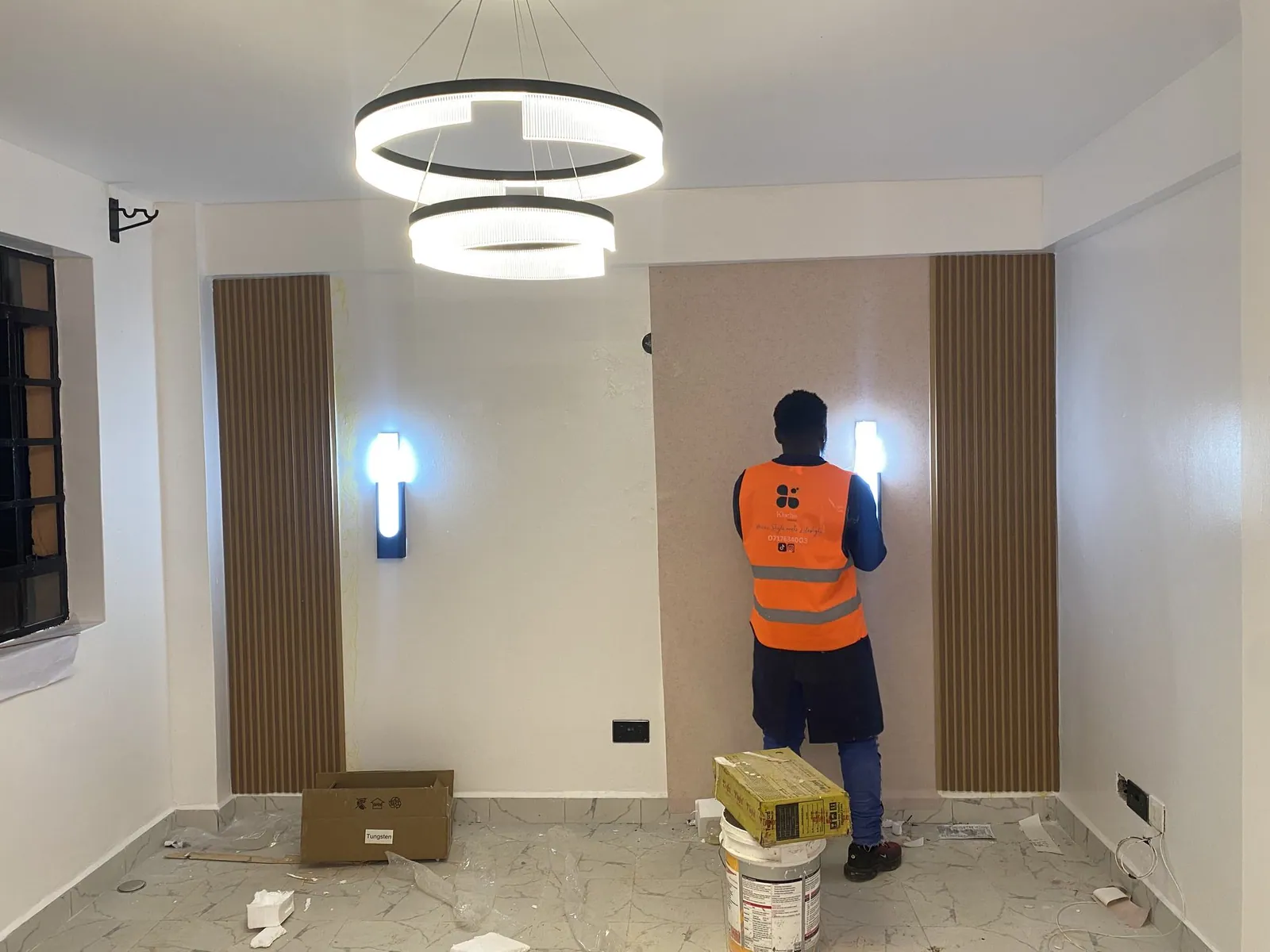
Your home or workplace is likely one of the biggest investments you will make, and the person you hire to shape it matters as much as the materials you choose. Nairobi has a growing creative scene, from independent decorators to full-service studios, so the real challenge is not finding an interior designer but finding the right one.
This guide walks you through what to look for, what to ask, and the red flags to avoid before you sign anything. You can also browse our portfolio to see finished projects as you read.
1. Understand what kind of help you need
"Interior designer" covers a wide range of services in Kenya, and the titles are often used loosely.
Decorators and stylists
They focus on the finishing layer: colours, furniture, soft furnishings and accessories.
Interior designers
They plan how a space works as well as how it looks. That includes layout, lighting, joinery, materials and furniture.
Full-service design and build studios
They take the project from concept through to construction and installation. See our services for how this works in practice.
Before you start calling studios, decide where your project sits. A fresh coat of paint and new sofas calls for a different professional than a kitchen remodel, a new open-plan layout or a full office fit-out.
2. Check credentials and training
Interior design is not as tightly regulated as architecture, so qualifications and track record carry real weight. Ask about:
- Formal training in interior design, architecture or a related field.
- Professional memberships or affiliations, where relevant.
- Registration of the people doing the building. If your project involves structural changes or construction, ask whether the contractors are registered with the National Construction Authority (NCA), and whether a qualified architect or an engineer registered with the Engineers Board of Kenya will sign off on structural work.
- Experience with projects like yours. A designer who has done twenty apartments may not be the right fit for a restaurant, and the reverse is also true.
Credentials are not everything. A strong portfolio and happy past clients often tell you more than a certificate on the wall. But a designer who is open about their background is a good sign.
3. Review the portfolio with a critical eye
Beautiful photos are a start, but look deeper.
- Look for range, and also for a recognisable point of view. A good designer adapts to each client while keeping a consistent standard of quality.
- Look for completed, lived-in projects, not only renders. Renders show an idea. Photos of finished spaces show what the studio can deliver.
- Pay attention to the details: how joinery meets walls, how lighting is layered, how materials sit together.
- Match the style to your taste. If every project in the portfolio is ultra-minimal and you love warm, textured spaces, keep looking.
Ask to see a project that is similar in size and budget to yours, and ask what challenges came up and how they were handled.
4. Talk about budget early and honestly
A good designer will ask about your budget in the first conversation. If they avoid the subject, treat it as a warning sign.
Questions to ask about fees
- How is the fee structured? Common models include a flat fee, a percentage of the project cost, or an hourly rate.
- What is included? Concept design, 3D visuals, technical drawings, procurement, site supervision and installation are not always bundled together.
- What is not included? Ask about furniture, construction, permits and delivery.
- How are changes handled? Clear terms for revisions protect both sides.
Plan for a contingency
Be honest about your real limit, including a contingency. Setting aside around 10–15% of the total for surprises is a sensible habit on most projects. A designer who knows your true budget can make smart trade-offs, such as spending where it counts (a quality sofa, good lighting) and saving where it does not. For an idea of how renovation costs are discussed, see our pricing page.
5. Understand their project management style
This is the factor people forget to ask about, and it is often what separates a smooth project from a stressful one.
- Who will be my main point of contact, and how often will we get updates?
- What does the process look like from first meeting to handover? A clear, staged process (consultation, concept, design development, execution, handover) is a good sign.
- Who manages the contractors and suppliers?
- What happens when something goes wrong or a delivery is delayed?
Pay attention to communication from the very first enquiry. How quickly and clearly a studio responds before you hire them is usually a good preview of how they will behave once the project is underway.
6. Consider the design-and-build advantage
In many Nairobi projects, the design comes from one company and the construction from another. That can work, but it creates a gap. The designer draws something, the contractor interprets it, and you end up in the middle, coordinating between the two when the budget or timeline slips.
Full-service studios like Kloche Interiors handle design and construction under one roof. That means:
- One point of accountability. If something is not right, you do not have to work out whose responsibility it is.
- Designs that are built to be built. When the people designing also know the realities of construction, there are fewer surprises on site.
- Better coordination of timelines and budget, because one team is tracking everything.
- Less stress for you. You are not managing separate contractors, quotes and schedules on your own.
This approach is not the only option, and some clients prefer to appoint their own contractor. But if you want a simpler experience, it is worth asking every studio on your shortlist whether they offer it.
7. Questions to ask before you hire
Take this checklist to your first meetings:
- Can I see completed projects similar to mine?
- Who will work on my project day to day?
- How do you structure your fees, and what is included?
- What is the realistic timeline, and what could affect it?
- How do you handle changes, delays and unexpected costs?
- Do you offer design and construction, or design only?
- Can I speak to a past client? Our reviews are a good place to start.
- What does the handover process look like?
8. Red flags to watch for
- No written proposal, scope or contract
- Reluctance to discuss budget or fees openly
- A portfolio made up only of images with no project context
- Pressure to pay large amounts upfront without a clear schedule
- Vague answers about who is responsible for construction and supervision
- Slow or unclear communication before you have even signed
Final thoughts
The best interior designer for you is the one who understands how you live or work, communicates clearly, respects your budget and has the track record to deliver. Take your time, ask plenty of questions and trust your instincts.
Related posts
Start your project
Bring your space to life
Tell us what you are planning and arrange a consultation with the Kloche Interiors team.